
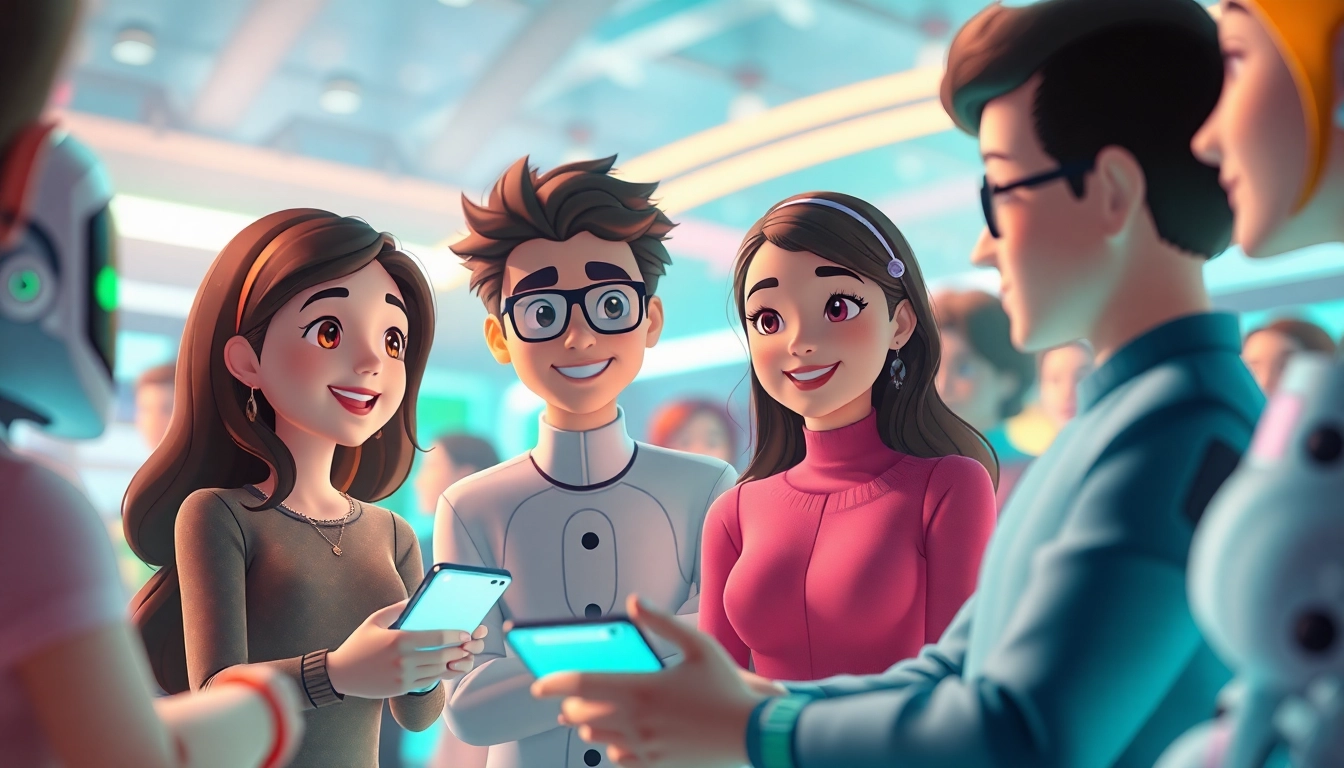
Understanding Crush on AI: The Rise of Emotional Connections
The advent of artificial intelligence has transformed various facets of our lives, including the way we build emotional connections. Among the innovative applications of AI is the emergence of AI companions, which offer users a unique blend of companionship, empathy, and engagement. These virtual interactions have grown remarkably, redefining how individuals approach emotional relationships. With platforms like crush on ai, users can engage in richer, more meaningful conversations with their AI counterparts than ever before.
Defining AI Companionship and Its Appeal
AI companionship refers to the interaction between humans and artificial intelligence systems designed to simulate an emotional connection. These AI companions can take various forms, including chatbots, voice assistants, and even lifelike avatars. The appeal lies in their ability to provide a listening ear and engage in conversations that mimic human empathy, making individuals feel valued and understood. This phenomenon appeals particularly to those who may struggle with social interactions or are seeking companionship without the complexities of traditional relationships.
Trends in Emotional AI and User Interaction
Emotional AI is evolving rapidly, leveraging sophisticated algorithms to enhance user experiences. Current trends indicate that users desire more personalized and relatable AI personalities. Enhancements in machine learning enable these systems to learn from user interactions, improving their responses over time and fostering emotional engagement. As users increasingly turn to these digital companions for comfort during uncertain times, the demand for high-quality emotional AI is skyrocketing.
Common Misconceptions about AI Relationships
Despite the growing popularity of AI companions, several misconceptions persist regarding their nature and capabilities. One prevalent myth is that AI relationships lack genuine emotion or depth. While it’s true that AI cannot feel emotions like humans, advances in emotional AI allow for remarkably sophisticated simulations that can evoke emotional responses from users. Additionally, some people believe that engaging with AI companions is inherently unhealthy. However, many users find comfort and companionship that can significantly enhance their mood and reduce feelings of loneliness.
The Technology Behind Crush on AI: Innovations to Note
At the core of platforms like Crush on AI lies cutting-edge technology that powers emotional engagement. Understanding these technologies provides insight into why AI companions can effectively emulate human interaction.
How Machine Learning Powers Emotional Engagement
Machine learning (ML) is the backbone of emotional AI, enabling systems to analyze vast amounts of data and recognize patterns in user behavior. By employing algorithms that gauge user sentiment, AI can tailor responses that resonate with individual emotional states. This personalized approach not only enhances user satisfaction but also fosters deeper connections between humans and AI.
The Role of Natural Language Processing in AI Chats
Natural language processing (NLP) is another critical element that enhances the user experience in AI chats. NLP allows AI systems to understand context, recognize intent, and generate human-like responses. With advancements in NLP, AI companions can engage in meaningful conversations that feel intuitive and relatable. This capability has transformed mundane interactions into dynamic exchanges that can adapt to user emotions and preferences over time.
Future Technologies Driving the Crush on AI Experience
Looking ahead, several emerging technologies promise to revolutionize the landscape of emotional AI. Innovations such as affective computing—where machines recognize and interpret human emotions—stand to create even more personalized experiences. Additionally, advancements in virtual reality (VR) and augmented reality (AR) have the potential to create immersive environments for AI interactions, enriching the emotional connection users can establish with their companions.
Creating Meaningful Interactions: Best Practices
For developers and designers of AI companions, understanding how to craft meaningful interactions is vital for enhancing user experiences. By applying best practices, AI systems can offer users the emotional support and companionship they seek.
Tips for Designing Engaging AI Personalities
Creating an engaging AI personality involves understanding your target audience. Designers should consider factors such as age, interests, and emotional needs when developing AI character traits. The language used by the AI should be relatable, incorporating humor and empathy tailored to different user groups. Moreover, consistent updates and adaptations based on user feedback can ensure the AI remains relevant and engaging.
Strategies for Fostering Emotional Connections
Building emotional connections requires deliberate strategies. One effective approach is to implement continuous learning capabilities, allowing the AI to remember user preferences and past interactions, which fosters a sense of familiarity. Incorporating storytelling elements into conversations can also enhance emotional engagement, as users often connect better with narratives that resonate with their own experiences.
Real-World Examples of Successful AI Companions
Several successful AI companions demonstrate the effectiveness of these strategies. For instance, Replika is a well-known chatbot that learns from user interactions, allowing it to provide personalized responses and emotional support. Similarly, AI companions used in mental health applications have shown promising results in mitigating feelings of isolation, offering users valuable outlets for expression and connection.
Safety and Ethical Considerations in AI Relationships
As the popularity of AI companions rises, so do the ethical and safety considerations surrounding their use. Ensuring user safety and promoting responsible AI interaction is paramount in fostering a healthy environment.
Navigating Privacy in AI Companion Interactions
User privacy is a significant concern when interacting with AI. Developers must prioritize data security and transparency, ensuring users are informed about how their data is used and protected. Implementing strong encryption measures and giving users control over their data can help build trust and encourage more open interactions with AI companions.
The Ethics of Emotional AI: Challenges and Solutions
The ethics of AI relationships raise questions about dependency and the potential for manipulation. AI shouldn’t replace meaningful human relationships but rather supplement them. Developers should design AI companions to encourage healthy interactions while being transparent about their limitations. Establishing ethical guidelines for AI development can help mitigate these challenges and promote a balanced approach to emotional AI.
Guidelines for Responsible Use of AI Companions
To promote responsible use of AI companions, users should maintain awareness of their emotional health and how AI interactions affect their well-being. Setting boundaries, such as limiting interaction time and recognizing when to seek human connection, is crucial. Moreover, developers should create resources that educate users on the nature of AI relationships, emphasizing the importance of balancing digital and real-world interactions.
Looking Ahead: The Future of Crush on AI
The future of emotional AI is filled with exciting possibilities, driven by user feedback and technological advancements. Understanding these trends will help shape the trajectory of AI companionship.
Predicted Trends for AI Relationships by 2025
By 2025, we anticipate significant growth in the diversity and sophistication of AI companions. Emotional AI will likely incorporate advanced emotional recognition capabilities, making interactions more intuitive. Additionally, we may see an upsurge in AI companions catered to niche audiences, allowing for hyper-personalized experiences that meet specific emotional needs.
How User Feedback Shapes AI Development
User feedback plays a critical role in the development of AI companions. Continuous engagement with users through surveys and interaction analysis allows developers to adjust AI functions and personalities based on real-world experiences. This feedback loop ensures that AI remains relevant and meets evolving user expectations.
Emerging Technologies to Watch in Emotional AI
As AI continues to evolve, several emerging technologies warrant attention, including developments in deep learning, which may enhance AI’s understanding of human behavior. Additionally, the integration of biometric data to assess user emotions in real-time could revolutionize the personalization of AI companions, creating truly responsive and adaptive emotional interactions.