Vehicles

Top Innovations in Vehicle Technology for 2024

Understanding Vehicle Types and Their Functions

The world of vehicles is vast and varied, encompassing a wide range of machines designed for transportation. Understanding the different types of vehicles and their specific functions is essential for anyone looking to make informed decisions about purchasing or utilizing various transportation methods. From personal cars to commercial trucks, each vehicle type serves a unique purpose tailored to meet distinct needs.

Overview of Different Vehicle Categories

Vehicles can be broadly categorized into several types based on their design, function, and use. The most common categories include:

  • Passenger Vehicles: These include sedans, hatchbacks, SUVs, and minivans designed primarily for transporting people.
  • Commercial Vehicles: Trucks, vans, and buses used for transporting goods or providing services.
  • Two-Wheelers: Motorcycles, scooters, and bicycles that offer an economical and agile means of transport.
  • Off-Road Vehicles: Designed for rugged terrains, these include ATVs, dirt bikes, and specialized trucks.
  • Electric and Hybrid Vehicles: A growing segment that includes fully electric cars and hybrids that combine gasoline engines with electric propulsion.

Key Features and Specifications of Common Vehicles

Understanding the specifications and features of vehicles is crucial when assessing their suitability for specific needs. Key features often include:

  • Engine Type: Gasoline, diesel, electric, or hybrid options, each offering various performance levels and fuel efficiencies.
  • Size and Capacity: Dimensions of the vehicle and passenger or cargo capacity.
  • Fuel Efficiency: Measured in miles per gallon (MPG) or equivalent, this impacts long-term operational costs.
  • Safety Ratings: Ratings from organizations such as the National Highway Traffic Safety Administration (NHTSA) or the Insurance Institute for Highway Safety (IIHS).
  • Technology Features: Including infotainment systems, navigation, driver assistance technologies, and connectivity options.

Purpose and Use Cases for Each Vehicle Type

Different vehicle types cater to various needs and use cases:

  • Passenger Vehicles: Ideal for commuting, family trips, and personal travel, they offer comfort and convenience.
  • Commercial Vehicles: Essential for businesses, they transport goods, deliver services, and facilitate logistics operations.
  • Two-Wheelers: Perfect for urban commuting, they provide a flexible and economical alternative to cars.
  • Off-Road Vehicles: Suited for outdoor enthusiasts, these vehicles enable exploration in challenging environments.
  • Electric and Hybrid Vehicles: Increasingly popular among environmentally conscious consumers, they reduce carbon footprints while offering significant savings on fuel costs.

Vehicle Technology and Innovations

The automotive industry is at the forefront of technological advancements, continuously evolving to enhance efficiency, safety, and sustainability. From engine innovations to electric vehicles, technology plays a pivotal role in shaping the future of transportation.

Advancements in Engine Technology and Efficiency

Modern vehicles feature sophisticated engine designs aimed at maximizing efficiency and reducing emissions. Key advancements include:

  • Turbocompounding: An innovative technology that improves fuel efficiency by recovering energy from exhaust gases.
  • Direct Fuel Injection: Enhances power output while improving fuel economy by injecting fuel directly into the combustion chamber.
  • Variable Valve Timing: Optimizes engine performance across a range of speeds and loads, enhancing responsiveness and efficiency.
  • Eco-Friendly Fuels: The rise of biofuels and synthetic fuels is providing more sustainable options for powering internal combustion engines.

For instance, Ford’s EcoBoost technology combines turbocharging and direct injection to deliver impressive power and fuel efficiency, setting a benchmark in the industry.

Exploring Electric and Hybrid Vehicle Technologies

The shift towards electric and hybrid vehicles represents a significant innovation in the automotive sector. Electric vehicles (EVs) operate solely on electric power, while hybrids combine traditional gasoline engines with electric motors. Key elements include:

  • Batteries: Advances in lithium-ion technology have improved range and reduced charging times, making EVs more practical.
  • Regenerative Braking: This technology captures energy normally lost during braking and uses it to recharge the vehicle’s battery.
  • Charging Infrastructure: The expansion of charging stations is vital for the widespread adoption of EVs, with companies like Tesla leading the charge.
  • Government Incentives: Many countries offer tax credits and rebates to encourage the purchase of electric vehicles, making them more accessible.

For example, the Tesla Model 3 has become a market leader, showcasing the potential of EVs with impressive range, performance, and a robust charging network.

Autonomous Vehicles: Current Trends and Future Prospects

Autonomous vehicles, or self-driving cars, are a hot topic in the automotive industry, promising to revolutionize transportation. Current trends include:

  • Level of Automation: Vehicles are categorized into six levels of automation, from Level 0 (no automation) to Level 5 (full automation).
  • LiDAR and Sensor Technology: These technologies enable vehicles to perceive their environment, crucial for navigation and safety.
  • Machine Learning Algorithms: AI plays a key role in enabling vehicles to learn from their surroundings and improve decision-making.
  • Regulatory Challenges: The development of autonomous vehicles faces significant regulatory hurdles that vary by region.

Companies like Waymo and Cruise are already testing autonomous ride-sharing services, indicating a shift towards integrating these technologies into everyday life.

Vehicle Maintenance and Safety Practices

Maintaining a vehicle is critical to ensuring its longevity and safety. Proper care can prevent costly repairs and enhance the driving experience.

Routine Maintenance Essentials for Longevity

Regular maintenance is essential for keeping vehicles in optimal condition. Key practices include:

  • Oil Changes: Regularly changing the engine oil helps maintain engine health and performance.
  • Tire Rotation: Rotating tires every 5,000 to 8,000 miles can prolong tire life and improve handling.
  • Brake Inspections: Regular checks ensure that brakes are functioning correctly, a vital aspect of vehicle safety.
  • Fluid Checks: Monitoring coolant, transmission, and brake fluids helps prevent mechanical failures.
  • Battery Maintenance: Ensuring the battery is clean and connections are secure can prevent starting issues.

For instance, a well-maintained vehicle can last significantly longer; studies show that routine maintenance can extend a car’s lifespan by up to 50%.

Safety Features and Their Importance in Modern Vehicles

Modern vehicles are equipped with an array of safety features designed to protect occupants and reduce the likelihood of accidents. Key features include:

  • Anti-lock Braking System (ABS): Prevents wheel lock-up during braking, maintaining steering control.
  • Electronic Stability Control (ESC): Helps drivers maintain control in slippery conditions by automatically applying brakes.
  • Adaptive Cruise Control: Automatically adjusts speed to maintain a safe distance from the vehicle ahead.
  • Lane Departure Warning: Alerts drivers when the vehicle begins to drift out of its lane without signaling.
  • Automatic Emergency Braking: Detects an impending collision and automatically applies the brakes to prevent impact.

According to the IIHS, vehicles equipped with these technologies can significantly reduce the risk of accidents, demonstrating the importance of safety features in modern designs.

Emergency Preparedness: What Every Vehicle Owner Should Know

Being prepared for emergencies can make a significant difference in critical situations. Essential preparedness tips include:

  • Emergency Kit: Keep a kit that includes first-aid supplies, flashlight, blankets, and basic tools.
  • Spare Tire and Tools: Ensure you have a spare tire, jack, and lug wrench for flat tires.
  • Communication Plan: Have a plan for contacting emergency services and loved ones in case of an accident.
  • Regular Vehicle Checks: Conduct routine checks to ensure your vehicle is roadworthy, especially before long trips.
  • Roadside Assistance: Consider a roadside assistance program for peace of mind during emergencies.

By being prepared, vehicle owners can minimize the risks associated with breakdowns or accidents, ensuring safety for themselves and their passengers.

Vehicle Financing and Ownership Models

Understanding the financial aspects of vehicle ownership is crucial for making informed decisions. Whether buying outright or exploring leasing options, each method has its pros and cons.

Understanding Different Financing Options: Buying vs. Leasing

When it comes to acquiring a vehicle, buyers typically choose between purchasing and leasing. Each option offers distinct benefits:

  • Buying: Offers full ownership, the ability to modify the vehicle, and no mileage restrictions. However, it usually requires a larger upfront payment.
  • Leasing: Allows for lower monthly payments and the opportunity to drive a new vehicle every few years. However, it comes with mileage limits and no ownership at the end of the term.

For example, leasing a vehicle may be advantageous for someone who prefers to drive newer models every few years without the long-term commitment of ownership.

Evaluating Total Cost of Ownership for Vehicles

The total cost of ownership (TCO) goes beyond the purchase price and includes various factors like:

  • Depreciation: The decline in the vehicle’s value over time, which can significantly impact resale value.
  • Insurance Costs: Varies based on the vehicle’s make, model, and safety features.
  • Fuel Expenses: Based on fuel efficiency and driving habits, fuel costs can add up over time.
  • Maintenance and Repairs: Regular maintenance and unexpected repairs contribute to ongoing costs.
  • Financing Costs: Interest rates and loan terms can affect the overall financial obligation.

Using tools like the Edmunds Total Cost of Ownership calculator can provide prospective buyers with a clearer financial picture before making a decision.

Exploring Alternative Ownership Models: Car Sharing and Subscription Services

In recent years, alternative ownership models such as car sharing and subscription services have gained popularity, offering flexibility and convenience:

  • Car Sharing: Services like Zipcar allow users to rent vehicles for short periods, providing access without the responsibilities of ownership.
  • Subscription Services: Companies like Care by Volvo and BMW’s Access offer subscription models where users can switch vehicles based on their needs.
  • Environmental Benefits: These models can promote sustainability by reducing the number of vehicles on the road and encouraging shared usage.

These alternatives cater to urban dwellers and those seeking flexibility, showcasing a shift in how people approach vehicle ownership in today’s economy.

The Future of Vehicles and Sustainable Practices

As environmental concerns grow, the automotive industry is increasingly focused on sustainability. Innovations are being made in vehicle design and manufacturing processes to align with eco-friendly practices.

Impact of Environmental Regulations on Vehicle Design

Governments worldwide are implementing stricter emissions regulations, prompting manufacturers to rethink vehicle designs. Key impacts include:

  • Emissions Standards: Regulations like the U.S. EPA’s Tier 3 standards require manufacturers to reduce harmful emissions significantly.
  • Fuel Economy Standards: Initiatives such as the Corporate Average Fuel Economy (CAFE) standards push automakers to improve fuel efficiency.
  • Incentives for Clean Vehicles: Many governments offer tax credits and rebates for electric and hybrid vehicles, encouraging manufacturers to invest in cleaner technologies.

As a result, many automakers are transitioning to hybrid and electric models to comply with these regulations while meeting consumer demand for greener options.

Emerging Trends in Sustainable Vehicle Manufacturing

Sustainable manufacturing practices are becoming a priority for vehicle production. Key trends include:

  • Recyclable Materials: Manufacturers are increasingly using recyclable and sustainable materials in production, such as bio-based plastics and recycled metals.
  • Energy-Efficient Production: Implementing energy-efficient practices in factories reduces carbon footprints during vehicle manufacturing.
  • Life Cycle Assessment: Evaluating the environmental impact of a vehicle from production to disposal is becoming a standard practice.

For instance, BMW’s commitment to sustainability has led to the development of their “i” series, which focuses on electric mobility and sustainable production methods.

Consumer Trends: How Sustainability Influences Vehicle Choices

Consumer preferences are shifting towards sustainability, influencing their vehicle choices. Factors include:

  • Awareness of Environmental Impact: Consumers are increasingly considering the environmental impact of their vehicle choices, leading to a rise in electric vehicle sales.
  • Desire for Fuel Efficiency: Rising fuel prices have made fuel-efficient vehicles more attractive, prompting buyers to seek hybrids and efficient combustion engines.
  • Brand Reputation: Companies that prioritize sustainability often appeal more to consumers, leading to brand loyalty and preference.

According to a 2022 study by McKinsey, 70% of consumers indicated they would be willing to pay more for a vehicle that is environmentally friendly, highlighting the growing importance of sustainability in the automotive market.
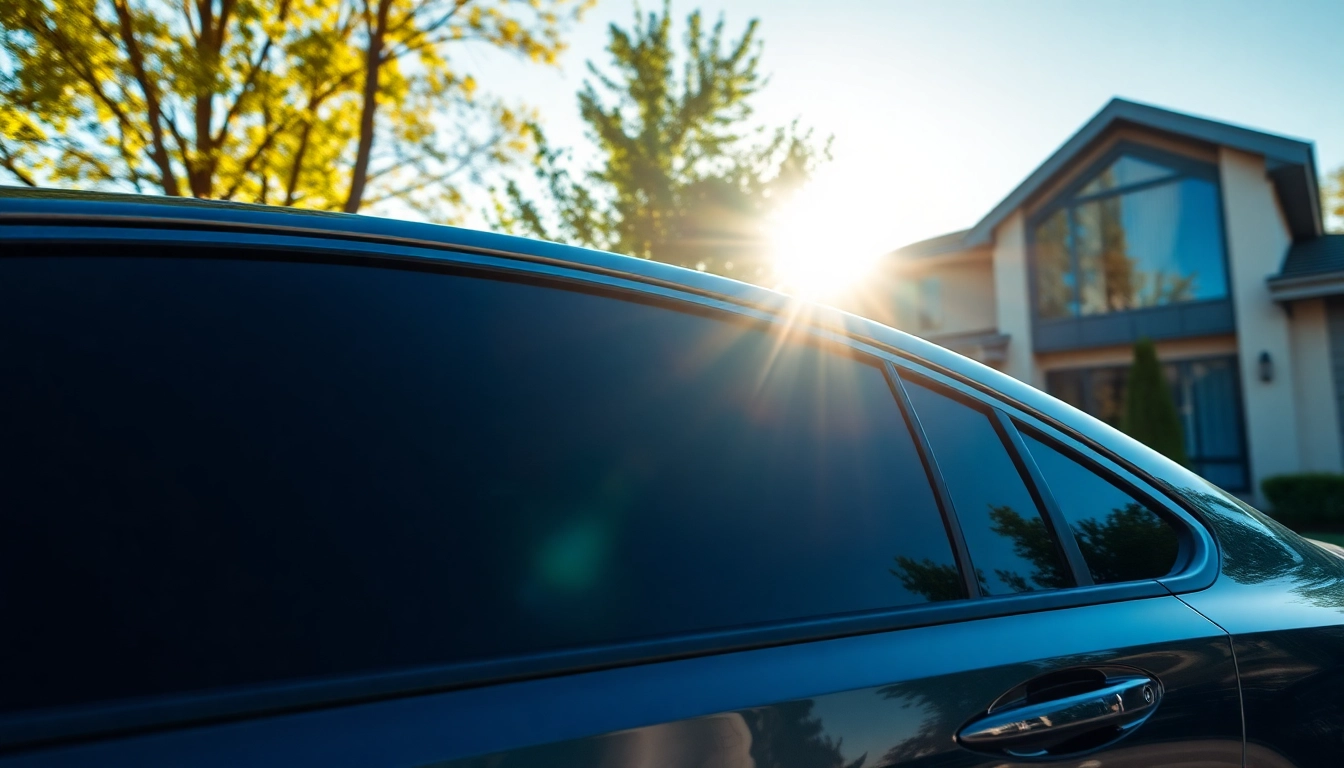
Car showcasing the best window tint Chattanooga TN in a beautiful residential setting with trees.

Enhance Your Ride with the Best Window Tint Chattanooga TN

Understanding Window Tinting Options

When it comes to enhancing your vehicle’s aesthetics or improving its functionality, investing in window tint can make a world of difference. The best window tint Chattanooga TN elevates your driving experience while providing numerous benefits. But with the myriad of options available today, understanding which type of tint aligns with your specific needs is crucial. This guide will explore the various window tinting options, their benefits, and how to choose the best one for your vehicle.

Types of Window Tint Available

If you’re considering window tinting, it’s essential to know the different types available, as each offers unique characteristics. Here’s a breakdown:

  • Dyed Window Tint: This type involves dyeing a polyester film and applying it to the window. While it can provide privacy and reduce glare, its UV protection and heat reduction capabilities are limited.
  • Metalized Window Tint: Infused with tiny metallic particles, this tint reflects heat and UV rays while providing excellent durability. However, it may interfere with electronic signals.
  • Carbon Window Tint: Featuring carbon particles, this tint blocks UV light and heat, providing enhanced privacy and durability. It’s a popular choice for modern vehicles.
  • Ceramic Window Tint: One of the pricier options, ceramic tint offers superior heat and UV protection without sacrificing visibility. It does not interfere with electronic devices, making it the best choice for many drivers.

Benefits of Best Window Tint Chattanooga TN

Opting for the best window tint in Chattanooga TN can elevate your driving experience in several ways:

  • Enhanced Privacy: Tinted windows provide a layer of privacy, inhibiting prying eyes from looking into your vehicle.
  • UV Protection: Most quality tints block up to 99% of harmful UV rays, protecting both the occupants and the vehicle’s interior from fading.
  • Temperature Control: Quality window tints can significantly reduce the amount of heat entering the vehicle, leading to a more comfortable drive and less reliance on air conditioning.
  • Preventing Glare: During sunny days or night driving, window tint reduces glare, enhancing visibility and reducing eye strain.
  • Improved Aesthetics: A sleek, tinted look contributes to your vehicle’s overall style and can even increase its resale value.

Choosing the Right Tint for Your Needs

Understanding your personal needs and preferences while choosing the right tint is essential. Consider the following factors:

  • Purpose: Are you primarily looking for UV protection, aesthetic enhancement, or heat reduction?
  • Legal Restrictions: Check local laws regarding tint percentages as they vary by state and can impact your choice.
  • Budget: Determine how much you’re willing to spend. Higher-quality tints often come with added benefits and durability.
  • Warranty: Look for window tints that come with a warranty to ensure protection against any defects or peeling.

Key Factors in Selecting Window Tint

Legal Regulations in Chattanooga TN

Before proceeding with window tinting, it’s vital to adhere to local laws regarding tint darkness, commonly referred to in terms of Visible Light Transmission (VLT) percentage. In Chattanooga, TN, the front windshield must allow more than 70% of light in, while the front side windows must have a similar allowance. However, rear windows and the back windshield often have more leniency, allowing for darker tints. Ensuring compliance will not only keep you legal but also safe from potential fines and penalties.

UV Protection and Heat Reduction

Choosing a quality window tint that offers superior UV protection and heat reduction is crucial, especially in the hot Tennessee summers. Quality window films can block up to 99% of harmful UV rays. This protection not only contributes to the longevity of your vehicle’s interior materials—like dashboards and upholstery—but also minimizes health risks, such as skin cancer and sunburn, for passengers. Additionally, effective heat reduction can significantly reduce the temperature of your car’s interior, making your driving experience both comfortable and energy-efficient.

Different Tint Materials Explained

Understanding the materials used in window tints can help you choose wisely. Here’s a closer look:

  • Film Composition: Window tint films typically consist of multiple layers, including a polyester base, an adhesive layer, and a protection layer. The composition will impact durability and performance.
  • Thickness: Thicker films generally provide better durability and UV protection. Compare different brands to find a balance of thickness and quality.
  • Color Stability: Ensure the tint you choose has a warranty against fading, which is essential for maintaining both appearance and effectiveness over time.

Installation Process of Window Tint

DIY vs. Professional Installation

When it comes to installing window tint, you face a choice between DIY and professional installation. While DIY kits are more cost-effective, they often come with challenges, like achieving the right application and preventing bubbles or wrinkles. Professional installation, while slightly more expensive, typically ensures a flawless finish and provides warranties for the work done. Weigh your comfort level and budget against the potential quality differences before making your choice.

Preparing Your Vehicle for Tinting

Whether you choose to DIY or hire a professional, pre-installation preparation is critical. Start by cleaning the windows thoroughly to remove any dirt, dust, or debris that could interfere with adhesion. Ensure the interior is free of clutter, allowing easy access to each window. Consider weather conditions that may affect installation, such as humidity or temperature, to ensure optimal results.

Timing and Temperature Considerations

The timing of your installation plays a significant role in the final outcome. Generally, mild weather conditions are the best for window tinting. Avoid extremely hot or cold days, as they can affect the adhesive’s performance. It’s advisable to install tints in shaded areas or garages where possible, as direct sunlight can cause air bubbles, preventing proper adhesion.

Maintaining Your Window Tint

Best Practices for Cleaning Tinted Windows

Maintaining tinted windows is straightforward but requires specific care to protect the tint’s integrity. Use a soft cloth and a gentle, ammonia-free cleaner for cleaning. Avoid using abrasive tools, as they can scratch or damage the tint. Regular light cleaning will help maintain clarity and appearance.

Signs of Wear and When to Replace

Keep an eye out for early signs of wear, such as peeling, bubbling, or discoloration. If you notice any of these signs, it may be time to replace the tint. Addressing these issues promptly will help maintain aesthetics and functionality.

Maximizing the Life of Your Tint

To ensure your window tint lasts as long as possible, avoid rolling down your windows for at least a week after installation. This allows the film to adhere properly. Also, parking in shaded areas or using sunshades can minimize sun exposure that may lead to fading.

Frequently Asked Questions

What is the legal tint percentage in Chattanooga TN?

The front windshield must allow more than 70% light in. Front side windows are subject to the same regulation for VLT, while rear windows can be darker.

How long does the window tinting process take?

The tinting process typically takes between 2 to 4 hours, depending on the number of windows and the type of tint being applied.

Can I remove window tint myself?

While it’s possible to remove window tint yourself, it can be very labor-intensive and may lead to damage if not done carefully. Consider hiring a professional to ensure it’s done correctly.

Does window tint affect my visibility at night?

High-quality window tints are designed to maintain visibility at night while providing glare reduction. Choose lighter tints if visibility is a primary concern.

What are the warranty options for window tint?

Most reputable window tints come with warranties ranging from 5 to 10 years, covering defects in material and workmanship.

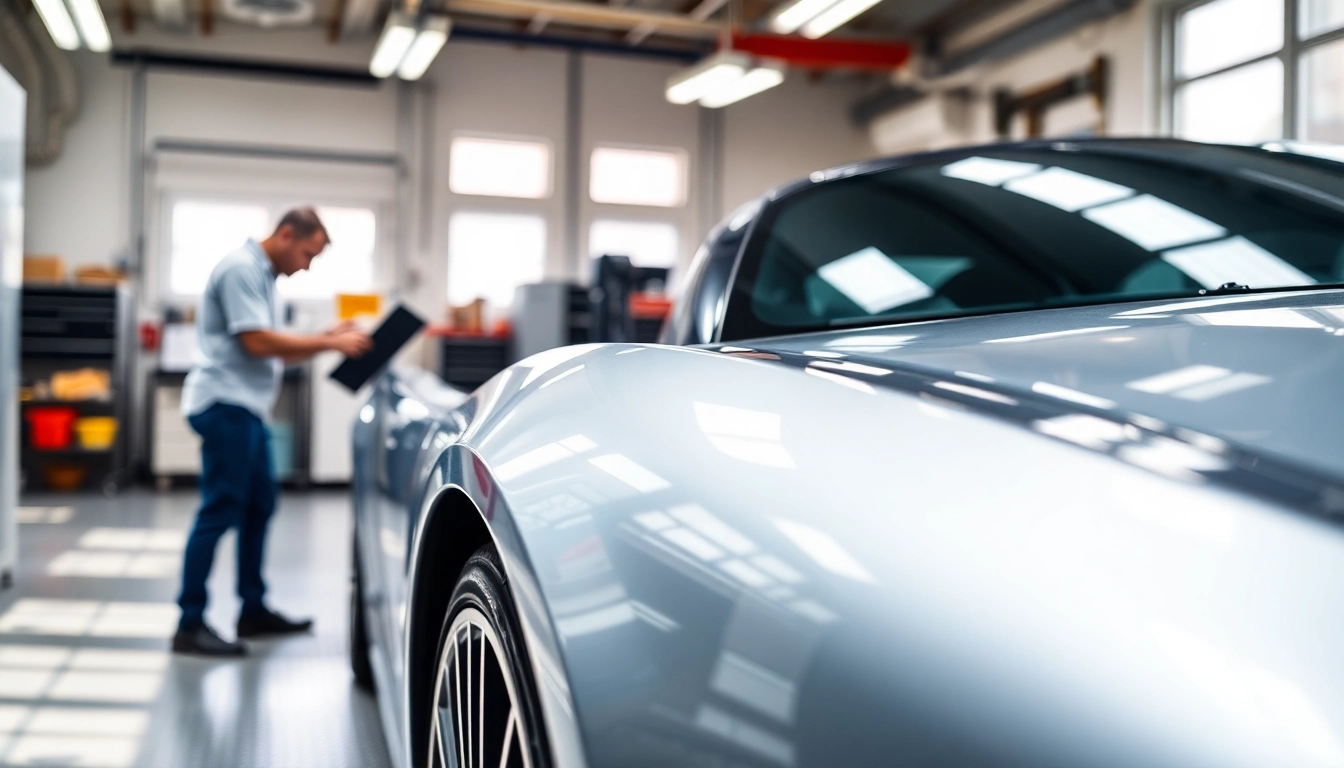
Apply paint protection film near me on a sleek car in a professional workshop.

Protect Your Vehicle: Paint Protection Film Near Me for Lasting Shine

Understanding Paint Protection Film

What is Paint Protection Film?

Paint Protection Film (PPF) is a clear, thermoplastic urethane film that is applied to the exterior surfaces of a vehicle. Its primary purpose is to protect the vehicle’s paint from various environmental hazards, such as road debris, bug splatter, bird droppings, and even minor scratches. The film is designed to be self-healing, meaning that minor scratches can disappear over time due to heat or sunlight. Many car enthusiasts and everyday drivers alike are turning to PPF for peace of mind and a pristine look for their vehicles.

Benefits of Using Paint Protection Film

There are numerous benefits associated with using paint protection film on your vehicle. Here are a few key advantages:

  • Protection from Damage: PPF acts as a barrier between your vehicle’s paint and external contaminants, reducing the risk of damage.
  • Enhanced Longevity: By preventing scratches and chips, the film helps maintain your vehicle’s aesthetics, ultimately preserving its resale value.
  • Self-Healing Properties: Minor scratches can often repair themselves when exposed to heat, making PPF a low-maintenance option.
  • Clarity and Gloss: High-quality films are almost invisible and enhance the shine of your vehicle’s exterior, adding a sleek finish.
  • Ease of Cleaning: The smooth surface of PPF makes it easier to wash your vehicle and remove contaminants.

Common Misconceptions

Despite its growing popularity, there are several misconceptions about paint protection film. Some individuals believe that:

  • PPF is Only for Luxury Cars: While PPF is popular in the luxury car market, it’s equally beneficial for everyday vehicles.
  • It Changes the Color of the Paint: Quality PPF is clear and does not alter the car’s color or shine.
  • It is Too Expensive for Average Drivers: The cost of protection film can vary, but it’s an investment that can save money in the long run by preventing expensive paint repairs.

Finding Paint Protection Film Near Me

How to Locate Local Providers

When searching for paint protection film near me, you can start by performing a simple online search. Use search engines or mapping apps to identify local shops that specialize in vehicle protection. Additionally, consider asking for recommendations from friends or family who have experience with car detailing services. Reviewing customer ratings and testimonials can also guide you toward reputable providers.

Evaluating Quality of Services

Not all paint protection film providers are created equal, so it’s essential to evaluate potential service providers carefully:

  • Portfolio: Review their past work to determine the quality of their installations.
  • Materials Used: Ensure they use high-quality films from reputable manufacturers known for durability and clarity.
  • Warranty: Look for providers who offer warranties on their installations, indicating confidence in their workmanship.
  • Experience: Choose a provider with extensive experience in applying PPF to various vehicle types.

Cost Considerations

The cost of paint protection film installation can vary significantly based on several factors:

  • Vehicle Size: Larger vehicles typically incur higher installation costs due to increased material and labor.
  • Coverage Area: Some drivers opt for full coverage, while others may choose specific areas (like the hood or front bumper).
  • Quality of Film: Higher-quality films may come with a higher price tag, but they often provide better protection and durability.

On average, drivers can expect installation costs to range from a few hundred to several thousand dollars, depending on the mentioned factors.

Installation Process

Pre-Installation Preparation

Before applying paint protection film, proper preparation is essential to ensure the best results:

  • Thorough Cleaning: The vehicle’s surface must be meticulously cleaned to remove dirt, wax, and any other contaminants.
  • Paint Condition Assessment: Inspect the paint for any existing scratches or imperfections that could affect the film’s adherence.
  • Temperature Control: The installation area should be temperature-controlled, as excessive heat or cold can affect the adhesive properties of the film.

Step-by-Step Installation Guide

The installation process typically follows these steps:

  1. Measure and Cut Film: Professionals will measure the areas to be covered and cut the film accordingly, ensuring a precise fit.
  2. Application: Using a slip solution (water mixed with soap), the film is applied to the surface. This allows for repositioning before it adheres permanently.
  3. Squeegee Out Air Bubbles: Any trapped air is carefully squeegeed out to ensure a smooth finish.
  4. Edge Sealing: The edges of the film are sealed to prevent lifting over time.
  5. Curing: Allow the film to cure for a specified time, during which it will bond securely to the vehicle’s surface.

Key Tools Needed for Installation

If you’re considering a DIY approach, here are the essential tools you will need:

  • Heat Gun
  • Squeegee
  • Spray Bottle with Slip Solution
  • Sharp Utility Knife for Trimming
  • Microfiber Cloth for Clean-Up

Post-Installation Care

Maintaining Your Paint Protection Film

Once your paint protection film is installed, it’s vital to care for it properly to maximize its lifespan:

  • Avoid Harsh Cleaners: Use gentle, pH-neutral car wash soap to clean your vehicle.
  • Regular Washing: Wash your car regularly to remove dirt and contaminants that could degrade the film.
  • Hand Drying: Use a soft microfiber towel to avoid scratching the surface of the film while drying.

Signs of Wear and When to Replace

It’s important to monitor your paint protection film for signs of wear, which might include:

  • Yellowing or discoloration of the film.
  • Cracks or tears that cannot be repaired.
  • Peeling at the edges, which can lead to further damage.

If any of these signs are present, it’s wise to consult a professional about potentially replacing the film.

Recommended Products for Care

To maintain the integrity of your paint protection film, consider the following products:

  • pH-neutral car shampoo.
  • Foam applicators for wax or sealant applications.
  • Microfiber towels for drying and polishing.

Using quality products ensures that the film remains in excellent condition without voiding any warranties that may be in place.

FAQs About Paint Protection Film

How long does paint protection film last?

Quality paint protection film can last anywhere from 5 to 10 years, depending on the type selected and care provided.

Can paint protection film be removed?

Yes, paint protection film can be safely removed without damaging the vehicle’s paint, although it’s best done by a professional.

Is paint protection film worth the investment?

Yes, PPF is valuable for protecting your car’s paint and maintaining resale value, especially if you frequently drive in harsh conditions.

Does the film damage the car’s paint?

No, when installed correctly, paint protection film does not damage the car’s paint; in fact, it protects it from harm.

What is the best type of paint protection film?

The best type varies by preference and budget, but high-performance films with self-healing properties offer superior protection and durability.

Enhance your ride with paint protection film near me for shiny, durable protection.

Top Benefits of Choosing Paint Protection Film Near Me for Your Vehicle

Understanding Paint Protection Film Near Me

As vehicle owners seek to protect their investments, the demand for protective measures has grown significantly. One such solution is paint protection film near me, a revolutionary product designed to shield your car’s exterior from a variety of damages. In this in-depth exploration, we will unpack what paint protection film is, its myriad benefits, how it functions, and why it is becoming an essential accessory for contemporary vehicles.

What is Paint Protection Film?

Paint protection film (PPF) is a transparent, urethane-based film applied to a vehicle’s exterior surfaces to protect against scratches, chips, and fading caused by UV rays. It is commonly used on high-end vehicles but is gaining popularity among everyday drivers due to its excellent protective qualities and near-invisibility after installation. The film is specifically engineered to absorb impacts and resist abrasions while maintaining the aesthetic appeal of the vehicle.

Benefits of Using Paint Protection Film

Investing in paint protection film brings numerous advantages that can enhance the longevity of your vehicle’s exterior. Here are some key benefits:

  • Enhanced Protection: Prevents scratches from road debris and environmental factors.
  • UV Protection: Shields the paint from sun damage, preventing fading and discoloration.
  • Self-Healing Properties: Minor scratches can heal themselves over time when exposed to heat.
  • Easy Maintenance: PPF makes car washing simpler as dirt and grime are less likely to adhere to the surface.
  • Cost-Effective: Reduces the need for expensive paint jobs and exterior repairs.

How Does Paint Protection Film Work?

The technology behind paint protection film is quite intriguing. Comprised of multiple layers, the top layer is often a clear coat that provides the self-healing capability. When scratched or scuffed, exposure to heat—whether from sunlight or your car’s engine—can cause the material to return to its original state. Below this top layer are other components designed to absorb shock and protect against the elements, including embedded UV inhibitors that reduce paint fade.

Why You Should Consider Paint Protection Film Near Me

Choosing to install paint protection film comes with extensive advantages that go beyond mere aesthetics. Here are several compelling reasons to consider the application:

Long-Term Cost Savings

The upfront cost of installing paint protection film may seem substantial, but the long-term savings can be significant. By shielding your vehicle from chips and scratches, you can avoid costly repairs and maintain the vehicle’s exterior condition, which is crucial for resale value. Over time, these savings can outweigh the initial investment.

Protection Against the Elements

From the scorching sun to acid rain and road debris, your vehicle is constantly bombarded by environmental factors. Paint protection film acts as a barrier, absorbing impacts and providing resistance against harmful UV rays, keeping your car looking new for years. This protective layer seamlessly integrates with your vehicle’s design without altering its appearance.

Preserving Resale Value

A vehicle in pristine condition naturally commands a higher resale price. With paint protection film, you safeguard your car’s exterior, minimizing wear and tear that occurs over time. Protecting the paint from chips, scratches, and fading ensures that your vehicle retains its appeal, making it more attractive to potential buyers.

Choosing the Right Paint Protection Film Provider Near Me

Selecting the right provider is crucial to maximizing the benefits of paint protection film. Here are some key factors to consider:

Factors to Consider in a Provider

When searching for a paint protection film installer, consider their experience, the range of materials they offer, and whether they provide warranties. Experienced professionals are more likely to deliver a high-quality installation that lasts. Assess the film brands they work with, as not all films are created equal. Your ideal provider should offer well-reviewed products backed by guarantees.

Assessing Quality of Service

Assessing the quality of service involves reading customer reviews and testimonials. Look for feedback related to install quality, customer service, and how issues were handled. A good provider will have a track record of satisfied customers and be willing to provide references. Additionally, check if they offer post-installation support, as this can be indicative of their commitment to service.

Getting Customer Recommendations

Word-of-mouth referrals can be invaluable when choosing a provider for paint protection film. Speak with friends, family, or coworkers who have had similar installations, as their firsthand experiences can guide you toward reputable options. Join local automotive forums or social media groups to gather additional insights.

Installation Process of Paint Protection Film Near Me

Understanding what to expect during the installation process is key to a smooth experience. Generally, the process involves the following steps:

Steps for Professional Installation

  1. Assessment: The installer will assess your vehicle’s surface to prepare for application.
  2. Cleaning: Thorough cleaning of the vehicle ensures the film adheres properly and lasts longer.
  3. Cutting the Film: Customized pieces of film are cut to fit specific areas of your vehicle.
  4. Application: The film is applied using a squeegee to eliminate bubbles and ensure even adhesion.
  5. Final Inspection: Once applied, the installer inspects the film for any imperfections.

What to Expect During Installation?

During installation, expect the specialists to utilize specific tools and techniques to adhere the film without damaging your vehicle. They may use a solution for the application process to reduce friction and allow for precise positioning. It’s advisable to be present during installation for any instructions regarding post-care.

Common Misconceptions About Installation

Common misconceptions often undermine the decision to install paint protection film. Some believe it bubbles excessively or detracts from the car’s aesthetics; however, with professional installation and high-quality materials, these issues can be minimized. PPF is designed to be virtually invisible once applied correctly, maintaining the car’s original finish.

Maintenance Tips for Paint Protection Film Near Me

After investing in paint protection film, proper maintenance is essential to ensure its longevity. Here are some maintenance tips:

Cleaning and Care Recommendations

To maintain your paint protection film, wash your vehicle regularly with pH-neutral car wash solutions. Avoid abrasive materials or brushes that could harm the film. After washing, drying with a microfiber towel helps to prevent water spots. Additionally, avoiding high-pressure wash settings can extend the life of the film.

Signs Your Film Needs Replacement

Watch for signs that your paint protection film needs replacement, such as noticeable discoloration, peeling, or curling edges. Restoring the vehicle’s appearance may require replacing sections of film or the entire film itself, depending on the severity of the damage.

Maximizing Durability of the Film

Maximize the durability of your paint protection film by keeping it away from harsh chemicals and ensuring the film is properly maintained. Routine checks can help identify minor issues before they grow problematic. Also, consider applying a ceramic coating to offer additional protection against environmental factors.

FAQs

What is the lifespan of paint protection film?

Typically, paint protection film lasts between 5 to 10 years, depending on exposure to elements and maintenance frequency.

Can paint protection film be removed?

Yes, paint protection film can be removed safely by a professional without damaging the underlying paint.

Will paint protection film alter my car’s color?

No, when installed correctly, paint protection film is virtually invisible and will not alter your car’s color or finish.

How should I wash my car with paint protection film?

Wash your car gently with a pH-neutral soap and soft cloths; avoid using harsh chemicals or scrubbing brushes.

Is paint protection film worth the investment?

Yes, considering long-term protection against scratches and damage, paint protection film is a valuable investment for vehicle preservation.