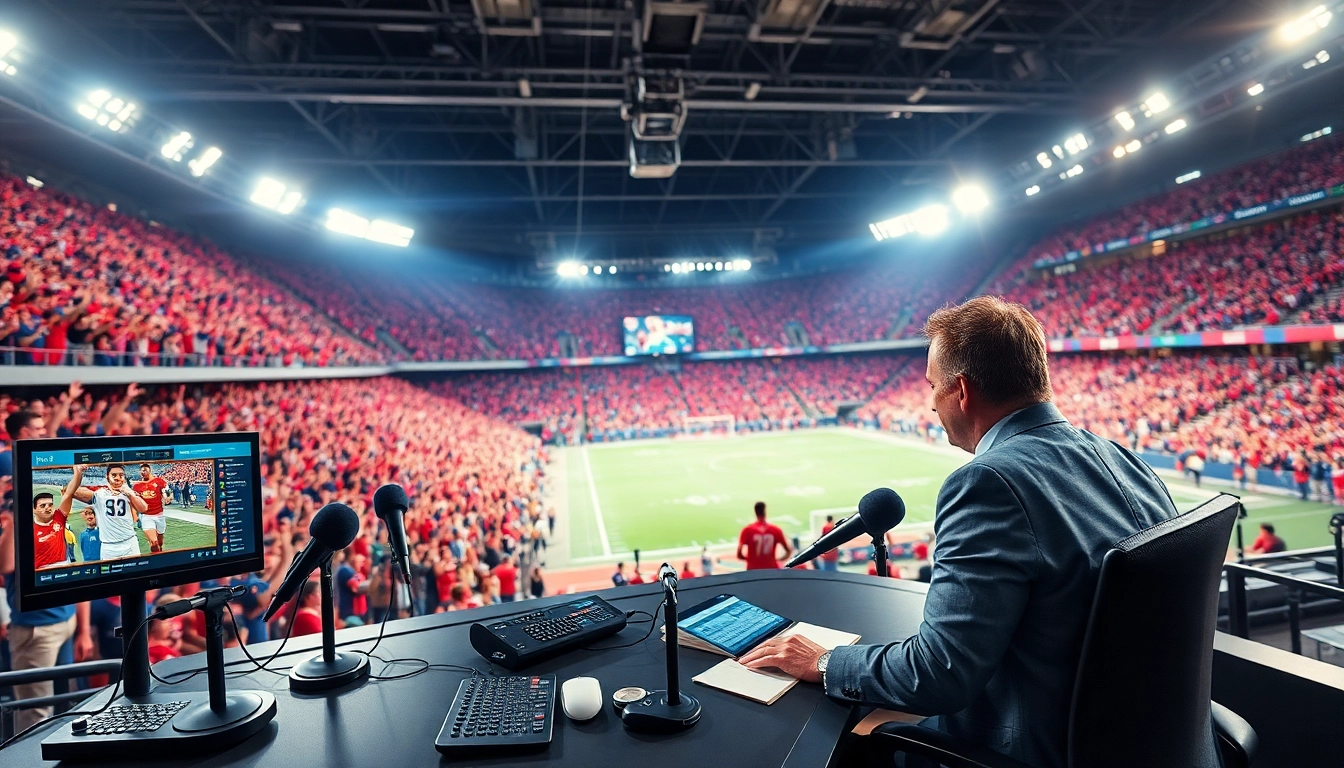
Understanding the Essentials of Sports Broadcasting
Defining Sports Broadcasting and Its Importance
Sports broadcasting is the remote transmission of sports events to a mass audience through various media channels. This vital sector not only entertains viewers but also significantly influences sports culture, fan engagement, and the overall economy of the sports industry. The ability of a broadcast to bring live action to audiences, coupled with expert commentary and analysis, elevates the viewer's experience. In today's fast-paced world, the importance of Sports Broadcasting cannot be overstated as it shapes how fans connect with their favorite teams and athletes.
Key Roles in Sports Broadcasting
Within sports broadcasting, several key roles contribute to a seamless viewer experience. These include:
- Sports Commentators: They offer live narration of events, engaging viewers by providing detailed insights, analyses, and anecdotes.
- Producers: Responsible for the overall production quality, they coordinate various elements such as video, audio, and graphics.
- Camera Operators: These professionals capture the action from different angles, ensuring comprehensive coverage of events.
- Technical Directors: They handle the technical aspects of broadcasting, ensuring everything runs smoothly from sound to video transitions.
- Sports Analysts: Offering in-depth evaluation and commentary, sports analysts dissect gameplay and player performance to provide insights.
Overview of Broadcasting Formats
Sports broadcasting is delivered through various formats, each providing unique benefits:
- Television Broadcasting: Traditionally the primary medium, it delivers live events to mass audiences through cable and satellite channels.
- Online Streaming: Platforms like YouTube, ESPN+, and Twitch enable viewers to watch live events on-demand and interact in real-time.
- Radio Broadcasts: While not visual, radio remains popular, offering play-by-play coverage, especially in regions with limited access to visual media.
- Social Media Platforms: Facebook Live and Twitter Spaces provide avenues for interacting with fans during events, often featuring real-time commentary and highlights.
Developing Effective Sports Commentary Skills
Essential Skills for Sports Commentators
A successful sports commentator must possess a diverse skill set, including:
- Deep Knowledge of the Sport: Understanding rules, player statistics, and team dynamics is crucial for insightful commentary.
- Excellent Communication: Articulating thoughts clearly and engagingly ensures that viewers remain connected and entertained.
- Quick Thinking: Fast-paced sports require commentators to react and adapt to unfolding situations, often under pressure.
- Storytelling Ability: Crafting narratives around players, teams, and significant events can enrich the viewing experience.
Crafting Engaging Stories Through Commentary
Effective commentary goes beyond just delivering information; it should tell a story. This is achieved by:
- Building Context: Providing background on players, past performances, and rivalries can deepen viewer engagement.
- Creating Dramatic Tension: Highlighting critical moments and player milestones elevates the excitement level.
- Using Analogies and Metaphors: Relating sports events to broader themes makes commentary relatable and engaging.
- Incorporating Humor: Light-hearted moments or witty remarks can make broadcasts more enjoyable for the audience.
Techniques for Maintaining Viewers' Attention
To keep audiences engaged, commentators should implement techniques such as:
- Modulating Voice: Varying tone and volume during critical plays can enhance excitement.
- Involving Audience Interaction: Encouraging social media engagement can help enhance the viewing experience.
- Utilizing Visual Aids: Integrating graphics, replay analysis, and on-screen statistics can complement verbal commentary.
- Preparing for Controversies: Proactively addressing controversial moments can sustain viewer interest and provoke discussion.
Exploring Technology's Role in Sports Broadcasting
Overview of Modern Broadcasting Equipment
Modern sports broadcasting relies on state-of-the-art equipment to deliver high-quality content:
- HD Cameras: High-definition cameras capture events in crystal clarity, allowing for immersive viewing experiences.
- Audio Technology: Advanced microphones and sound systems enhance commentary clarity and audience immersion.
- Graphics Systems: Real-time graphics can provide vital statistics, replays, and branding throughout broadcasts.
- Streaming Hardware: Robust servers and delivery networks ensure smooth online streaming, mitigating lag and connectivity issues.
The Influence of Streaming Technology on Sports Broadcasting
Streaming technology has transformed how audiences consume sports content, allowing for:
- Greater Accessibility: Viewers can watch events from anywhere, on any device, enhancing audience reach and flexibility.
- International Viewership: Streaming opens up opportunities for global access, allowing fans from diverse regions to engage.
- Interactive Features: Viewers can participate in polls, chats, and social media interactions, enhancing the live experience.
- Customizable Viewing Options: Users can select camera angles or features that enhance their personal experience.
Innovations in Broadcast Production Techniques
The broadcasting landscape continues to evolve with innovative production techniques, including:
- Virtual Reality (VR): VR provides immersive experiences, allowing viewers to feel as if they are part of the event.
- Augmented Reality (AR): AR overlays informative graphics on live footage, enhancing audience understanding.
- Drones: Aerial shots from drones offer unique perspectives and enhance event coverage.
- Data Analytics: Leveraging big data improves content targeting and enhances viewer engagement through personalized experiences.
Building Audiences Through Strategic Marketing
Leveraging Social Media for Sports Broadcasting Reach
Social media platforms are crucial for promoting sports broadcasts due to their expansive reach and immediacy. Strategies to leverage these platforms include:
- Real-Time Updates: Providing live tweets or posts during games can engage fans and inform viewers while encouraging interaction.
- Behind-the-Scenes Content: Sharing exclusive glimpses of teams and players builds fan loyalty and interest.
- User-Generated Content: Encouraging fans to share their experiences fosters community and increases broadcast visibility.
- Influencer Collaborations: Partnering with influencers within the sports sector can help tap into their audience base effectively.
Creating Interactive Features to Enhance Engagement
Interactive features significantly enhance audience engagement. Some methods include:
- Live Polls: Conducting polls during broadcasts allows viewers to express opinions and create a dynamic atmosphere.
- Q&A Segments: Allowing viewers to submit questions for commentators promotes interaction and viewer involvement.
- Fantasy Sports Integration: Collaborating with fantasy sports platforms to display players' performances can drive viewer interest.
- Gamification: Incorporating games or contests related to broadcasts further encourages viewer participation and excitement.
Measuring Success Through Audience Analytics
To understand audience preferences and improve future broadcasts, employing audience analytics is critical. Important metrics include:
- Viewership Numbers: Tracking how many viewers tune in provides insight into content popularity.
- Engagement Rates: Analyzing likes, shares, and comments indicates how well content resonates with the audience.
- Audience Demographics: Understanding age, location, and interests allow targeted content creation.
- Time Spent Watching: Monitoring how long viewers remain engaged can inform content pacing and structure.
Future Trends in Sports Broadcasting
Predictions on Viewer Behavior Changes
As technology and viewing habits evolve, so too will viewer behavior. Anticipated changes include:
- Increased Reliance on Mobile: As smartphones become primary devices for content consumption, broadcasts will prioritize mobile formats.
- On-Demand Viewing: Audiences will lean more toward on-demand content, opting for flexibility in viewing times.
- Single Event Pay-Per-View: Viewers may prefer purchasing access only for specific events rather than whole seasons.
- Focus on Community Engagement: Fans will increasingly seek interactive and community-driven experiences instead of passive viewing.
Anticipating the Impact of Virtual Reality
Virtual reality is expected to redefine the sports broadcasting landscape by:
- Enhancing Immersion: Viewers will experience games as if they are attending in person, interacting with the environment.
- Providing Unique Perspectives: VR will allow viewers to select viewpoints, offering customized viewing experiences.
- Creating Alternative Events: Virtual events can complement live games, providing fans additional access and experiences.
- Connecting Fans & Athletes: VR experiences may facilitate fan-athlete interactions, deepening engagements.
Evolving Roles in the Sports Broadcasting Landscape
As sports broadcasting continues to grow, the roles within this industry will evolve, leading to:
- Multimedia Narrators: Commentators will adapt to various platforms, transitioning from traditional commentary to multi-faceted storytelling.
- Data Analysts: There will be a greater emphasis on analytics professionals who provide insights to enhance viewer experiences.
- Content Creators: Specialists in digital media will emerge to cater to the growing online audience, generating engaging content across platforms.
- Technology Innovators: The rise of tech-focused roles aiming to integrate new tools and platforms will shape the future of broadcasting.
Frequently Asked Questions
What skills are essential for a sports commentator?
Essential skills include deep sport knowledge, excellent communication, quick thinking, and storytelling ability.
What roles are involved in sports broadcasting?
Key roles include commentators, producers, camera operators, technical directors, and sports analysts.
How has streaming technology changed sports broadcasting?
Streaming allows greater accessibility, international viewership, interactive features, and customizable viewing options for fans.
What techniques can engage viewers during broadcasts?
Engagement techniques include voice modulation, audience interaction, visual aids, and proactive handling of controversies.
What are some future trends in sports broadcasting?
Future trends may include increased mobile reliance, on-demand viewing, single event purchases, and community-focused experiences.