Understanding Paint Protection Film
What is Paint Protection Film?
Paint Protection Film (PPF) is a clear, thermoplastic urethane film that is applied to the exterior surfaces of a vehicle. Its primary purpose is to protect the vehicle's paint from various environmental hazards, such as road debris, bug splatter, bird droppings, and even minor scratches. The film is designed to be self-healing, meaning that minor scratches can disappear over time due to heat or sunlight. Many car enthusiasts and everyday drivers alike are turning to PPF for peace of mind and a pristine look for their vehicles.
Benefits of Using Paint Protection Film
There are numerous benefits associated with using paint protection film on your vehicle. Here are a few key advantages:
- Protection from Damage: PPF acts as a barrier between your vehicle's paint and external contaminants, reducing the risk of damage.
- Enhanced Longevity: By preventing scratches and chips, the film helps maintain your vehicle’s aesthetics, ultimately preserving its resale value.
- Self-Healing Properties: Minor scratches can often repair themselves when exposed to heat, making PPF a low-maintenance option.
- Clarity and Gloss: High-quality films are almost invisible and enhance the shine of your vehicle’s exterior, adding a sleek finish.
- Ease of Cleaning: The smooth surface of PPF makes it easier to wash your vehicle and remove contaminants.
Common Misconceptions
Despite its growing popularity, there are several misconceptions about paint protection film. Some individuals believe that:
- PPF is Only for Luxury Cars: While PPF is popular in the luxury car market, it's equally beneficial for everyday vehicles.
- It Changes the Color of the Paint: Quality PPF is clear and does not alter the car's color or shine.
- It is Too Expensive for Average Drivers: The cost of protection film can vary, but it’s an investment that can save money in the long run by preventing expensive paint repairs.
Finding Paint Protection Film Near Me
How to Locate Local Providers
When searching for paint protection film near me, you can start by performing a simple online search. Use search engines or mapping apps to identify local shops that specialize in vehicle protection. Additionally, consider asking for recommendations from friends or family who have experience with car detailing services. Reviewing customer ratings and testimonials can also guide you toward reputable providers.
Evaluating Quality of Services
Not all paint protection film providers are created equal, so it's essential to evaluate potential service providers carefully:
- Portfolio: Review their past work to determine the quality of their installations.
- Materials Used: Ensure they use high-quality films from reputable manufacturers known for durability and clarity.
- Warranty: Look for providers who offer warranties on their installations, indicating confidence in their workmanship.
- Experience: Choose a provider with extensive experience in applying PPF to various vehicle types.
Cost Considerations
The cost of paint protection film installation can vary significantly based on several factors:
- Vehicle Size: Larger vehicles typically incur higher installation costs due to increased material and labor.
- Coverage Area: Some drivers opt for full coverage, while others may choose specific areas (like the hood or front bumper).
- Quality of Film: Higher-quality films may come with a higher price tag, but they often provide better protection and durability.
On average, drivers can expect installation costs to range from a few hundred to several thousand dollars, depending on the mentioned factors.
Installation Process
Pre-Installation Preparation
Before applying paint protection film, proper preparation is essential to ensure the best results:
- Thorough Cleaning: The vehicle's surface must be meticulously cleaned to remove dirt, wax, and any other contaminants.
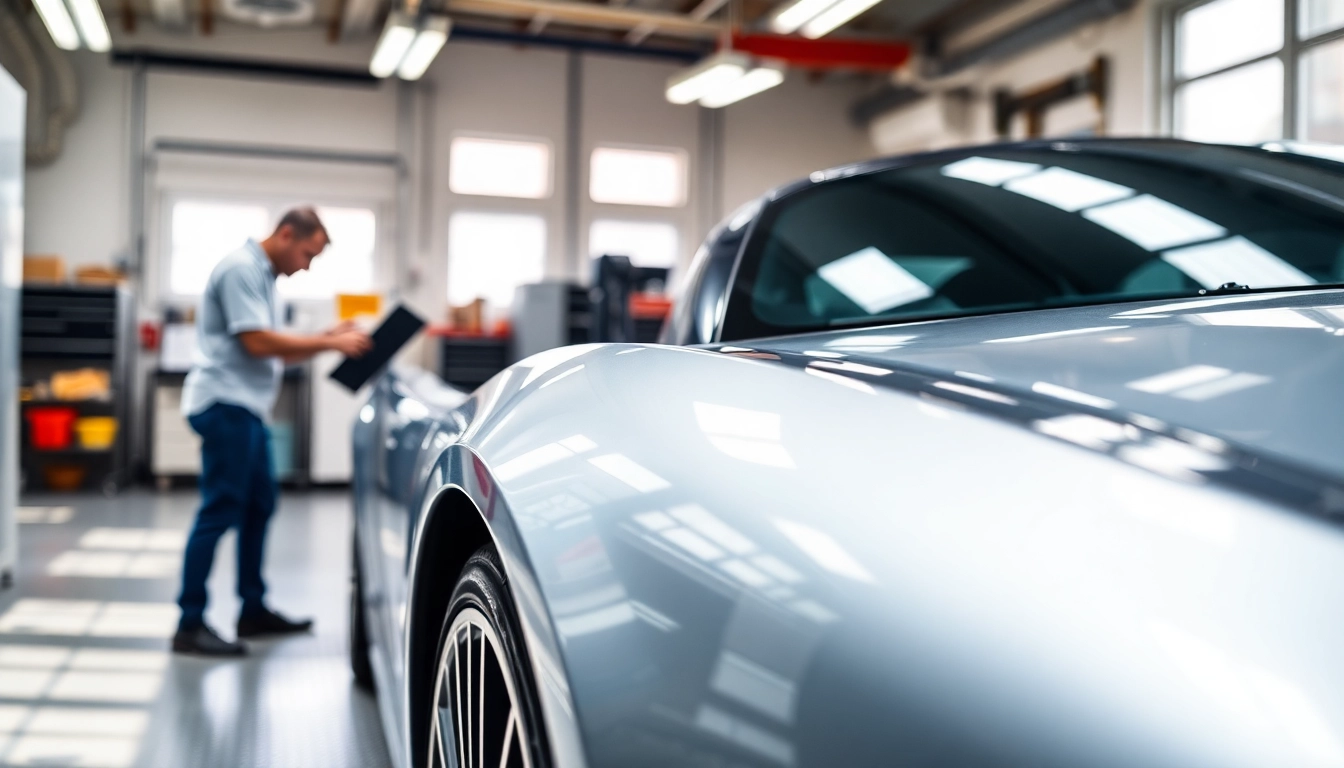
- Paint Condition Assessment: Inspect the paint for any existing scratches or imperfections that could affect the film's adherence.
- Temperature Control: The installation area should be temperature-controlled, as excessive heat or cold can affect the adhesive properties of the film.
Step-by-Step Installation Guide
The installation process typically follows these steps:
- Measure and Cut Film: Professionals will measure the areas to be covered and cut the film accordingly, ensuring a precise fit.
- Application: Using a slip solution (water mixed with soap), the film is applied to the surface. This allows for repositioning before it adheres permanently.
- Squeegee Out Air Bubbles: Any trapped air is carefully squeegeed out to ensure a smooth finish.
- Edge Sealing: The edges of the film are sealed to prevent lifting over time.
- Curing: Allow the film to cure for a specified time, during which it will bond securely to the vehicle's surface.
Key Tools Needed for Installation
If you're considering a DIY approach, here are the essential tools you will need:
- Heat Gun
- Squeegee
- Spray Bottle with Slip Solution
- Sharp Utility Knife for Trimming
- Microfiber Cloth for Clean-Up
Post-Installation Care
Maintaining Your Paint Protection Film
Once your paint protection film is installed, it's vital to care for it properly to maximize its lifespan:
- Avoid Harsh Cleaners: Use gentle, pH-neutral car wash soap to clean your vehicle.
- Regular Washing: Wash your car regularly to remove dirt and contaminants that could degrade the film.
- Hand Drying: Use a soft microfiber towel to avoid scratching the surface of the film while drying.
Signs of Wear and When to Replace
It's important to monitor your paint protection film for signs of wear, which might include:
- Yellowing or discoloration of the film.
- Cracks or tears that cannot be repaired.
- Peeling at the edges, which can lead to further damage.
If any of these signs are present, it’s wise to consult a professional about potentially replacing the film.
Recommended Products for Care
To maintain the integrity of your paint protection film, consider the following products:
- pH-neutral car shampoo.
- Foam applicators for wax or sealant applications.
- Microfiber towels for drying and polishing.
Using quality products ensures that the film remains in excellent condition without voiding any warranties that may be in place.
FAQs About Paint Protection Film
How long does paint protection film last?
Quality paint protection film can last anywhere from 5 to 10 years, depending on the type selected and care provided.
Can paint protection film be removed?
Yes, paint protection film can be safely removed without damaging the vehicle's paint, although it’s best done by a professional.
Is paint protection film worth the investment?
Yes, PPF is valuable for protecting your car's paint and maintaining resale value, especially if you frequently drive in harsh conditions.
Does the film damage the car's paint?
No, when installed correctly, paint protection film does not damage the car's paint; in fact, it protects it from harm.
What is the best type of paint protection film?
The best type varies by preference and budget, but high-performance films with self-healing properties offer superior protection and durability.