
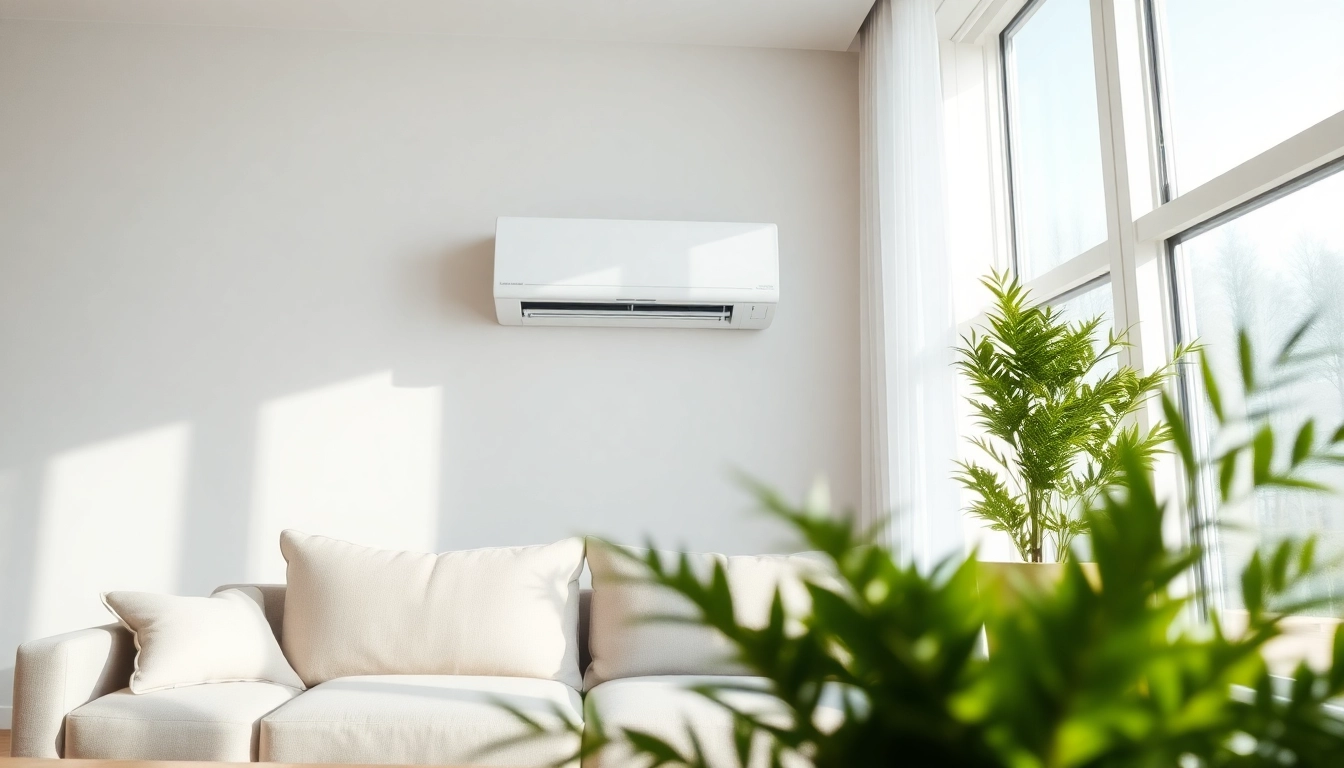
Understanding Mini Split AC Systems
Mini split AC systems have become increasingly popular for their versatility, efficiency, and ease of installation. Designed to provide tailored climate control in individual rooms or zones, mini split ac units represent a smart choice for modern residential and commercial spaces. This comprehensive guide explores the functioning, benefits, installation considerations, performance efficiency, maintenance, and answers to common questions surrounding mini split AC systems.
What is a Mini Split AC?
A mini split AC, also known as a ductless mini split system, consists of an outdoor condenser unit and one or more indoor air-handling units. Unlike conventional HVAC systems that rely on ductwork, mini splits provide direct cooling (or heating) to specific rooms. This type of system can provide both heating and cooling through heat pump technology, making it ideal for climates with varying seasonal demands.
How Mini Split AC Works
Mini split AC systems operate using a simple yet effective heat exchange process. Here’s how it works:
- Heat Absorption: The indoor unit absorbs heat from the room air using an evaporator coil filled with refrigerant.
- Heat Transfer: The refrigerant, now a gas, is pumped to the outdoor unit, where it releases the absorbed heat to the outside air through a condenser coil.
- Cooling Cycle: The refrigerant returns to a liquid state and is sent back to the indoor unit, repeating the cycle.
This efficient cycle allows the mini split to cool or heat a space quickly and effectively, offering a comfortable indoor climate.
Benefits of Mini Split AC
Mini split AC systems boast numerous benefits that make them attractive to homeowners and businesses:
- Energy Efficiency: Mini splits consume less energy than traditional systems, leading to lower utility bills.
- Zoning Capabilities: The ability to control temperatures in individual rooms enhances comfort and efficiency.
- Easy Installation: No ductwork is required, simplifying installation and reducing costs.
- Improved Air Quality: Mini splits often have advanced filtration systems that can improve indoor air quality by reducing allergens and dust particles.
- Quiet Operation: Indoor units operate more quietly than traditional HVAC systems, contributing to a peaceful environment.
Installation Considerations for Mini Split AC
Choosing the Right Location
Effective installation of a mini split AC begins with selecting the ideal location for both indoor and outdoor units. Factors to consider include:
- Indoor Unit: Place it on an interior wall or in a room where you desire temperature control. Ensure there’s enough space for airflow, typically near the center of the room.
- Outdoor Unit: Position the outdoor unit on a stable surface away from obstructions, ensuring adequate airflow and protection from debris.
Consult local building codes and guidelines for further specifications on installation locations.
Installation Process Overview
Installing a mini split AC system involves several key steps:
- Mount the Indoor Unit: Securely attach the indoor unit to the wall and check the level using a carpenter’s level.
- Drill Hole for Refrigerant Lines: Drill a small hole to run refrigerant lines and electrical wiring between the indoor and outdoor units.
- Connect Lines and Wiring: Make precise connections between the indoor and outdoor units, ensuring proper sealing to prevent leaks.
- Mount the Outdoor Unit: Secure the outdoor unit to a stable base, ensuring it’s level and properly positioned.
- Test the System: Once all connections are made, turn on the power and test the mini split AC for functionality.
Hiring a certified technician for installation ensures proper setup and adherence to safety standards.
Common Installation Challenges
While mini split AC installations are generally straightforward, several challenges may arise:
- Insufficient Space: Limited space can complicate installation, particularly for the outdoor unit. Solutions might include creative mounting strategies or re-evaluating location.
- Refrigerant Leaks: Improper sealing during installation can cause leaks. It’s critical to follow best practices and, if in doubt, consult a professional.
- Electrical Issues: Ensuring compatibility with existing electrical systems is essential to avoid operational failures. Always follow manufacturer guidelines.
Efficiency and Performance of Mini Split AC
Energy Efficiency Ratings Explained
Mini split systems are graded by their energy efficiency through SEER (Seasonal Energy Efficiency Ratio) and HSPF (Heating Seasonal Performance Factor) ratings. Higher ratings indicate greater efficiency, resulting in lower operating costs. For effective performance:
- A SEER rating of 16 or higher is considered efficient for cooling.
- An HSPF rating of 8 or higher is recommended for heating efficiency.
Optimizing Performance
To get the most out of your mini split AC, consider the following optimization tips:
- Maintain Temperature Settings: Set the temperature to a reasonable level to reduce energy usage.
- Utilize Fan Mode: Use the fan mode during mild weather for energy conservation.
- Keep Filters Clean: Dirty filters decrease efficiency; clean them monthly and replace as necessary.
Comparing Cost Efficiency
When comparing the cost efficiency of mini split AC systems to traditional HVAC systems, consider the following aspects:
- Upfront Costs: Mini splits typically have a lower installation cost due to the absence of ductwork.
- Long-Term Savings: Lower energy consumption translates to reduced utility bills over time.
- Potential Tax Incentives: Some regions offer tax credits or rebates for energy-efficient installations, potentially lowering the total investment.
Maintenance and Care for Mini Split AC
Routine Maintenance Tips
Proper maintenance of a mini split AC extends its lifespan and ensures optimal operation. Here are some routine maintenance tips:
- Clean air filters monthly and replace them as needed.
- Check and clean the outdoor unit regularly to prevent debris accumulation.
- Schedule professional maintenance annually for a thorough inspection and servicing.
Signs Your Mini Split AC Needs Repair
Being aware of indicators of malfunction is essential for ensuring timely repairs. Key signs include:
- Strange noises, such as clanging or hissing.
- Inconsistent temperature control or insufficient cooling.
- Increased energy bills without changes in usage patterns.
Addressing repairs early can prevent further damage and more costly fixes.
Cleaning Guidance for Optimal Air Quality
For maintaining optimal indoor air quality, pay attention to cleaning:
- Wipe down indoor units with a damp cloth to remove dust.
- Hire professionals for deep cleaning and overseeing rigorous service (like checking refrigerants) at least once a year.
- Ensure the drainage area isn’t clogged to prevent mold growth.
Frequently Asked Questions About Mini Split AC
How Much Does a Mini Split AC Cost?
The cost of a mini split AC typically ranges from $1,500 to $5,000, including installation. Factors affecting price include brand, capacity, and installation complexity.
How Long Does a Mini Split AC Last?
With proper care, a mini split AC system can last 15 to 20 years. Regular maintenance and timely repairs play key roles in extending its lifespan.
Can I Install a Mini Split AC Myself?
While DIY installation is possible, it is recommended to hire a professional to ensure compliance with local regulations and to avoid issues such as improper sealing or refrigerant leaks.
What Size Mini Split AC Do I Need?
Choosing the right size is critical. The size is measured in BTUs, and a load calculation based on room size, insulation, and sun exposure will determine the appropriate size.
Are Mini Split AC Noisy?
Generally, mini split AC units operate quietly, with indoor units producing sound levels as low as 19 dB. This makes them ideal for bedrooms and quiet spaces.