
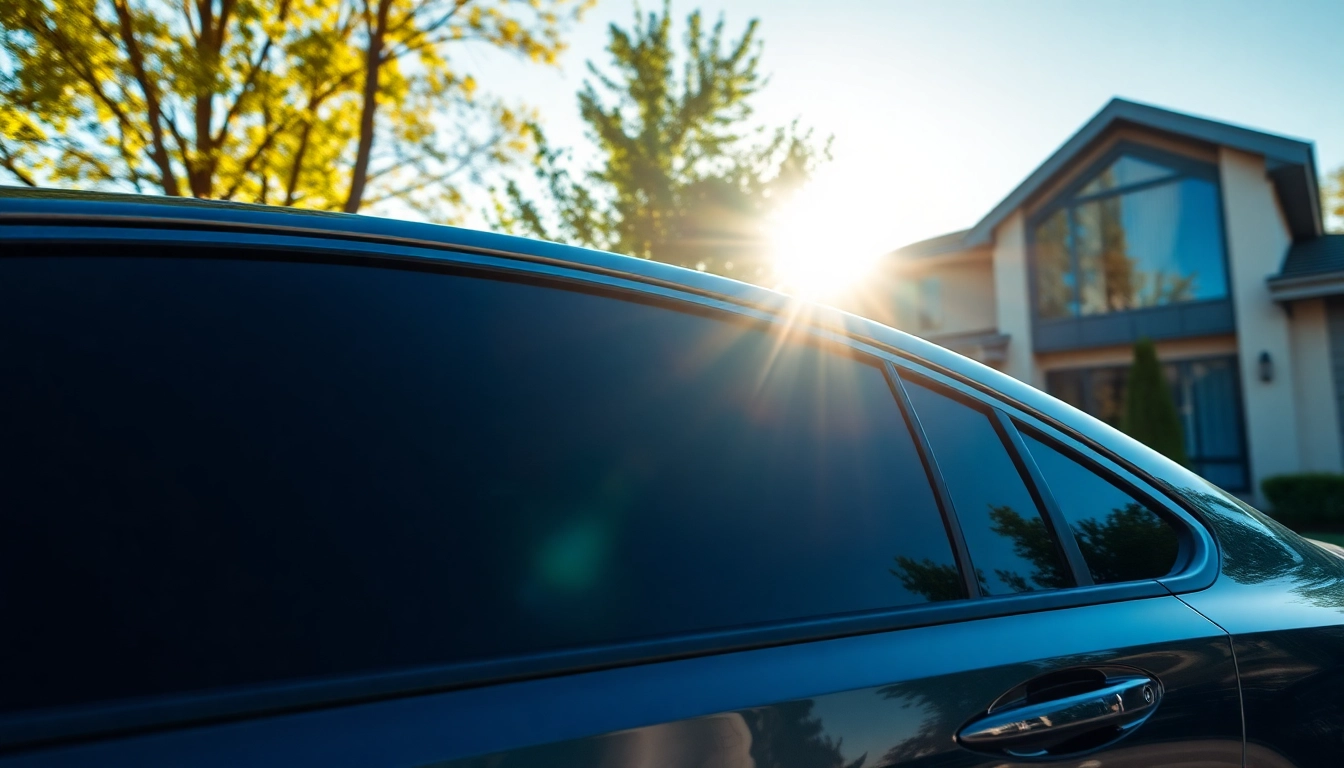
Understanding Window Tinting Options
When it comes to enhancing your vehicle’s aesthetics or improving its functionality, investing in window tint can make a world of difference. The best window tint Chattanooga TN elevates your driving experience while providing numerous benefits. But with the myriad of options available today, understanding which type of tint aligns with your specific needs is crucial. This guide will explore the various window tinting options, their benefits, and how to choose the best one for your vehicle.
Types of Window Tint Available
If you’re considering window tinting, it’s essential to know the different types available, as each offers unique characteristics. Here’s a breakdown:
- Dyed Window Tint: This type involves dyeing a polyester film and applying it to the window. While it can provide privacy and reduce glare, its UV protection and heat reduction capabilities are limited.
- Metalized Window Tint: Infused with tiny metallic particles, this tint reflects heat and UV rays while providing excellent durability. However, it may interfere with electronic signals.
- Carbon Window Tint: Featuring carbon particles, this tint blocks UV light and heat, providing enhanced privacy and durability. It’s a popular choice for modern vehicles.
- Ceramic Window Tint: One of the pricier options, ceramic tint offers superior heat and UV protection without sacrificing visibility. It does not interfere with electronic devices, making it the best choice for many drivers.
Benefits of Best Window Tint Chattanooga TN
Opting for the best window tint in Chattanooga TN can elevate your driving experience in several ways:
- Enhanced Privacy: Tinted windows provide a layer of privacy, inhibiting prying eyes from looking into your vehicle.
- UV Protection: Most quality tints block up to 99% of harmful UV rays, protecting both the occupants and the vehicle’s interior from fading.
- Temperature Control: Quality window tints can significantly reduce the amount of heat entering the vehicle, leading to a more comfortable drive and less reliance on air conditioning.
- Preventing Glare: During sunny days or night driving, window tint reduces glare, enhancing visibility and reducing eye strain.
- Improved Aesthetics: A sleek, tinted look contributes to your vehicle’s overall style and can even increase its resale value.
Choosing the Right Tint for Your Needs
Understanding your personal needs and preferences while choosing the right tint is essential. Consider the following factors:
- Purpose: Are you primarily looking for UV protection, aesthetic enhancement, or heat reduction?
- Legal Restrictions: Check local laws regarding tint percentages as they vary by state and can impact your choice.
- Budget: Determine how much you’re willing to spend. Higher-quality tints often come with added benefits and durability.
- Warranty: Look for window tints that come with a warranty to ensure protection against any defects or peeling.
Key Factors in Selecting Window Tint
Legal Regulations in Chattanooga TN
Before proceeding with window tinting, it’s vital to adhere to local laws regarding tint darkness, commonly referred to in terms of Visible Light Transmission (VLT) percentage. In Chattanooga, TN, the front windshield must allow more than 70% of light in, while the front side windows must have a similar allowance. However, rear windows and the back windshield often have more leniency, allowing for darker tints. Ensuring compliance will not only keep you legal but also safe from potential fines and penalties.
UV Protection and Heat Reduction
Choosing a quality window tint that offers superior UV protection and heat reduction is crucial, especially in the hot Tennessee summers. Quality window films can block up to 99% of harmful UV rays. This protection not only contributes to the longevity of your vehicle’s interior materials—like dashboards and upholstery—but also minimizes health risks, such as skin cancer and sunburn, for passengers. Additionally, effective heat reduction can significantly reduce the temperature of your car’s interior, making your driving experience both comfortable and energy-efficient.
Different Tint Materials Explained
Understanding the materials used in window tints can help you choose wisely. Here’s a closer look:
- Film Composition: Window tint films typically consist of multiple layers, including a polyester base, an adhesive layer, and a protection layer. The composition will impact durability and performance.
- Thickness: Thicker films generally provide better durability and UV protection. Compare different brands to find a balance of thickness and quality.
- Color Stability: Ensure the tint you choose has a warranty against fading, which is essential for maintaining both appearance and effectiveness over time.
Installation Process of Window Tint
DIY vs. Professional Installation
When it comes to installing window tint, you face a choice between DIY and professional installation. While DIY kits are more cost-effective, they often come with challenges, like achieving the right application and preventing bubbles or wrinkles. Professional installation, while slightly more expensive, typically ensures a flawless finish and provides warranties for the work done. Weigh your comfort level and budget against the potential quality differences before making your choice.
Preparing Your Vehicle for Tinting
Whether you choose to DIY or hire a professional, pre-installation preparation is critical. Start by cleaning the windows thoroughly to remove any dirt, dust, or debris that could interfere with adhesion. Ensure the interior is free of clutter, allowing easy access to each window. Consider weather conditions that may affect installation, such as humidity or temperature, to ensure optimal results.
Timing and Temperature Considerations
The timing of your installation plays a significant role in the final outcome. Generally, mild weather conditions are the best for window tinting. Avoid extremely hot or cold days, as they can affect the adhesive’s performance. It’s advisable to install tints in shaded areas or garages where possible, as direct sunlight can cause air bubbles, preventing proper adhesion.
Maintaining Your Window Tint
Best Practices for Cleaning Tinted Windows
Maintaining tinted windows is straightforward but requires specific care to protect the tint’s integrity. Use a soft cloth and a gentle, ammonia-free cleaner for cleaning. Avoid using abrasive tools, as they can scratch or damage the tint. Regular light cleaning will help maintain clarity and appearance.
Signs of Wear and When to Replace
Keep an eye out for early signs of wear, such as peeling, bubbling, or discoloration. If you notice any of these signs, it may be time to replace the tint. Addressing these issues promptly will help maintain aesthetics and functionality.
Maximizing the Life of Your Tint
To ensure your window tint lasts as long as possible, avoid rolling down your windows for at least a week after installation. This allows the film to adhere properly. Also, parking in shaded areas or using sunshades can minimize sun exposure that may lead to fading.
Frequently Asked Questions
What is the legal tint percentage in Chattanooga TN?
The front windshield must allow more than 70% light in. Front side windows are subject to the same regulation for VLT, while rear windows can be darker.
How long does the window tinting process take?
The tinting process typically takes between 2 to 4 hours, depending on the number of windows and the type of tint being applied.
Can I remove window tint myself?
While it’s possible to remove window tint yourself, it can be very labor-intensive and may lead to damage if not done carefully. Consider hiring a professional to ensure it’s done correctly.
Does window tint affect my visibility at night?
High-quality window tints are designed to maintain visibility at night while providing glare reduction. Choose lighter tints if visibility is a primary concern.
What are the warranty options for window tint?
Most reputable window tints come with warranties ranging from 5 to 10 years, covering defects in material and workmanship.